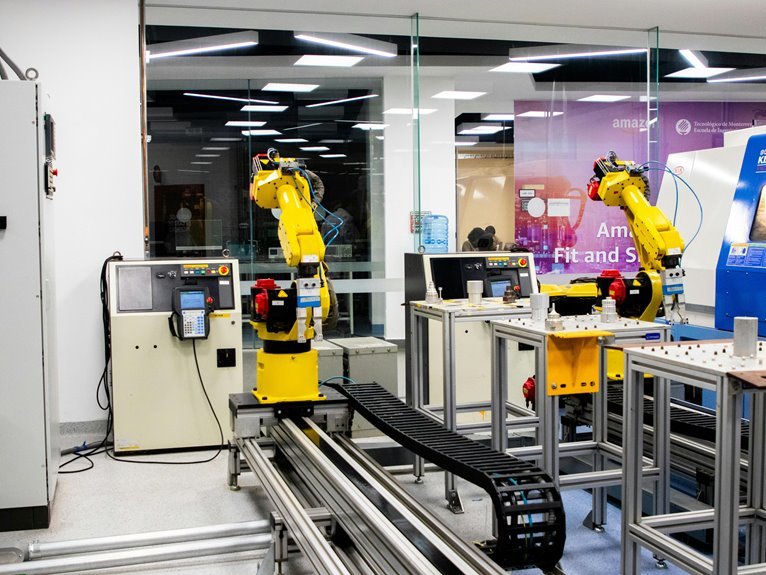
The Smart Automation System 854613685 Control presents a significant advancement in operational efficiency through its technological capabilities. By reducing manual processes and enhancing workflow optimization, it offers a dual focus on productivity and energy management. Its seamless compatibility with existing infrastructures indicates a potential for widespread application. However, the implications of its real-world applications and the impact on strategic goals remain to be fully explored. What challenges and opportunities might arise in its implementation?
Key Features of Smart Automation System 854613685 Control
Smart Automation System 854613685 Control integrates advanced technological features designed to optimize operational efficiency and enhance user experience.
Its intuitive user interface facilitates seamless interaction, allowing users to navigate complex functionalities with ease.
Additionally, its robust energy management capabilities enable efficient resource allocation, minimizing waste and promoting sustainability.
These features collectively empower users to achieve greater autonomy and flexibility in their operational environments.
How Smart Automation Enhances Operational Efficiency
While many organizations seek to streamline processes, the implementation of automation systems significantly enhances operational efficiency by reducing manual intervention and optimizing workflows.
Smart automation facilitates process optimization through data-driven decision-making and real-time monitoring.
Workflow automation eliminates repetitive tasks, allowing teams to focus on strategic initiatives.
Consequently, organizations experience increased productivity, reduced errors, and improved resource allocation, driving overall effectiveness in operations.
Integrating Smart Automation With Existing Systems
Integrating automation systems with existing infrastructure is crucial for organizations aiming to enhance their operational capabilities.
Achieving system compatibility presents various integration challenges, including data synchronization and communication protocols. Organizations must conduct thorough assessments of their current systems to identify potential barriers.
Real-World Applications and Success Stories
Real-world applications of smart automation systems illustrate their transformative impact across various industries.
In home automation, systems enhance energy efficiency and security, allowing users to control environments seamlessly.
Meanwhile, industrial robotics streamline manufacturing processes, reducing labor costs and increasing productivity.
These success stories exemplify how smart automation fosters innovation, granting individuals and organizations the freedom to optimize operations and improve overall quality of life.
Conclusion
In conclusion, the Smart Automation System 854613685 Control exemplifies a powerful convergence of advanced technology and user-centric design, juxtaposing the complexity of automation with the simplicity of intuitive interfaces. While it streamlines operations and fosters sustainability, it simultaneously empowers users with enhanced decision-making capabilities. This duality underscores its transformative potential across diverse industries, bridging the gap between traditional methodologies and modern efficiency, thereby facilitating a future where innovation and practicality coexist harmoniously.